
Living With Major Depressive Disorder: What I Learned Creating Six Videos With a Clinical Psychologist
Sep 23, 2026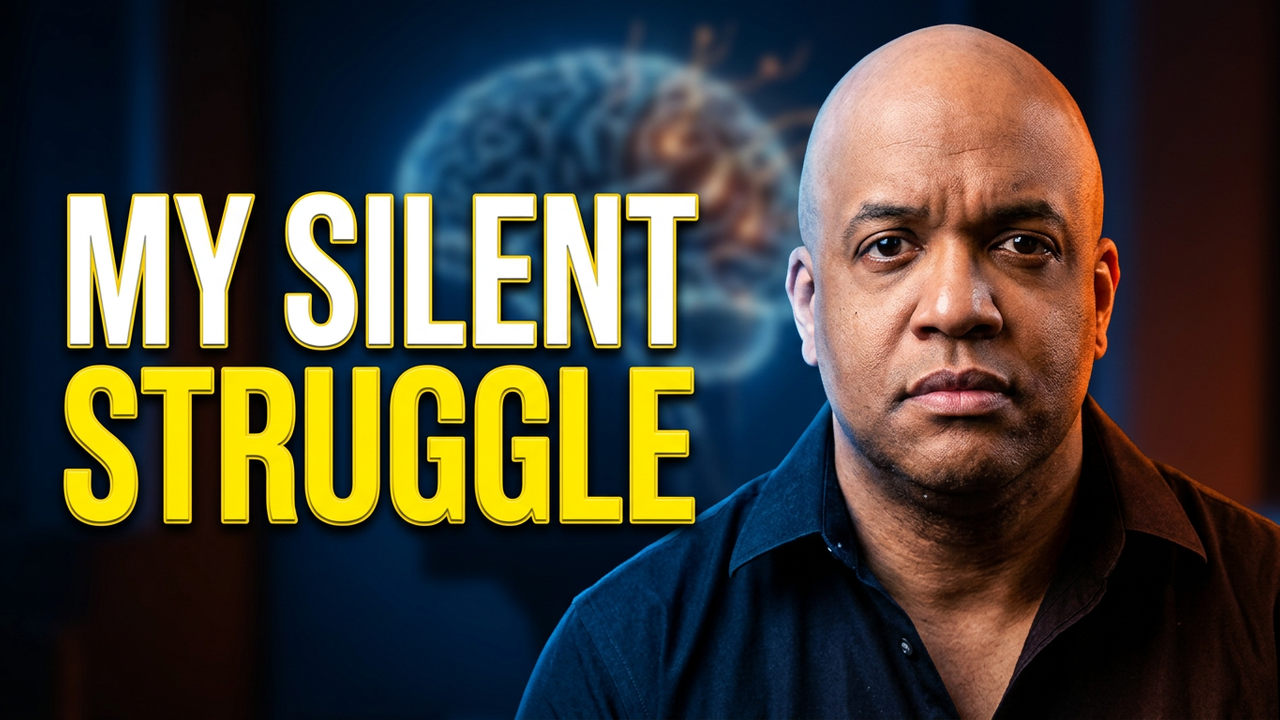
⚠️ Before you read one more word, please know this: this article and the videos in it are for educational purposes only. I am not a medical professional. Nothing here replaces care from a licensed provider. If you are struggling, in crisis, or feel like you might harm yourself... call or text 988 right now. The 988 Suicide and Crisis Lifeline is free, confidential, and available every hour of every day. Reaching out is a strong move.
If you know you need support but haven’t taken that first step yet, consider making today the day you do it. Online therapy services such as Talkspace and Online-Therapy.com can make it easier to explore treatment from home and connect with professional support. They may not be the right fit for everyone, so take a look at your options, your insurance coverage, and the credentials of any provider you’re considering. What matters most is that you don’t have to figure everything out by yourself—and getting professional help can be an important part of moving forward.
TL;DR: I have lived with depression since childhood. Dr. Mallory Malkin is a licensed clinical psychologist. Together, we created six videos on major depressive disorder that combine lived experience with clinical expertise. This article walks through each one.
- Major depressive disorder is a diagnosable medical condition with specific clinical criteria, not just sadness or a difficult week.
- Depression affects 18.3% of U.S. adults as of 2026, totaling 47.8 million people.
- Confusion and stigma are the primary reasons people delay getting help, not a lack of available resources.
- Depression is highly treatable. Symptoms can go into remission, and people build full, meaningful lives while managing it.
- This six-part series pairs personal lived experience with clinical expertise so you get both dimensions at once.
Now let me tell you why this project exists.
I have lived with depression, anxiety, and OCD for most of my life. Multiple psychiatric hospitalizations before age 18. Suicide attempts starting at age 10. I do not share that for shock value. I share it because lived experience gives you a certain kind of knowledge... and it also has limits.
I know what depression feels like from the inside. I do not know what it looks like through the lens of clinical training. That is why I asked my friend Dr. Mallory Malkin, a licensed clinical psychologist, to sit down with me and create a six-part video series on major depressive disorder.
In every video, I share my lived experience. She shares the clinical perspective. Together, the two views give you something neither of us could give you alone.
Why This Series Matters Right Now
The numbers stopped me when I researched this piece.
Depression prevalence has surged by 60% since 2013, and as of 2026, 18.3% of U.S. adults currently have depression or are being treated for it. That is 47.8 million Americans. Young adults aged 18 to 25 carry the highest rates.
Then there is the number that I keep coming back to. On average, there is an 11-year delay between when depression symptoms first appear and when a person receives treatment.
Eleven years.
Across the keynotes and workshops I deliver, something keeps coming up... the delay rarely comes from a lack of resources. It comes from confusion and stigma. People do not know what depression actually is, so they do not know they have it, so they do not ask for help.
Education is what closes that distance. That is the entire purpose of this series.
Key Point: Depression is at a 60% higher prevalence than 2013, and confusion about what it actually is remains the primary reason people wait years before seeking care.
Video 1: What Is Major Depression?
We start at the beginning because the beginning is where most confusion lives. Major depressive disorder is a diagnosable medical condition with specific clinical criteria. Sadness is one small piece of it. A rough week is something else entirely.
In this video, Dr. Malkin walks through what clinicians actually look for when they evaluate someone. I talk about what it felt like to live inside the condition for years without having a name for it. Having a name changed everything for me... a name turned a fog into something I could face.
Key Point: MDD has specific diagnostic criteria. Naming the condition accurately is often the first moment a person can begin to address it.
Video 2: Major Depression Symptoms
This one is commonly misread. People picture depression as visible sadness. In my experience, it showed up as exhaustion, irritability, and a heaviness in my body that made getting out of bed feel like lifting a weight I had not trained for.
Dr. Malkin covers the full clinical picture... changes in sleep, appetite, energy, concentration, and interest in things you used to love. I share which symptoms I still manage today, because for me this is a permanent condition I work with, and working with it is possible.
Watch this one if you are trying to understand a loved one who "does not seem depressed."
Key Point: Depression often presents as exhaustion, irritability, and physical heaviness rather than visible sadness. Recognizing the full symptom range is essential for accurate identification.
Video 3: Is There a Cure for Major Depression?
I will be honest with you. I wanted the answer to be yes.
Dr. Malkin and I take on this question carefully, because clarity does not fully exist here and pretending otherwise would be dishonest. What the research supports is this... depression is highly treatable, symptoms can go into remission, and people build full, meaningful lives while managing it.
I am living proof of that last part. I carry depression and I run a company, speak on stages, and love my life. Treatment gave me tools. The tools work when I use them.
Key Point: There is no universal cure, but depression is highly treatable. Remission is achievable, and a full life while managing the condition is well-documented.
Video 4: The Role of Antidepressants and How They Help Depression
Medication carries more stigma than almost any other part of treatment, so we gave it a full video.
The data is worth sitting with. All antidepressants outperform placebo, with response rates of 42% to 70% compared to 21% to 39% for placebo. Remission rates in short-term studies land around 30% to 35%... which means finding the right medication often takes patience and a real partnership with your prescriber.
Medication did not fix everything for me. It gave me enough stability to do the deeper work. Dr. Malkin explains how antidepressants function, what realistic expectations look like, and why stopping medication without medical guidance is dangerous.
💡 Tip: if a medication has not worked for you, that is information for your provider... it is not evidence that nothing will work.
Key Point: Antidepressants outperform placebo across clinical data. The right medication takes time to find, and stopping without medical guidance carries real risk.
Video 5: Focusing on a Task and Learning With Depression
This video is personal for me, because I run a continuing education company and I know how hard learning becomes when your brain is fighting you.
Depression impairs concentration, working memory, and decision-making. Research shows these cognitive symptoms drive workplace struggles, and workers with depression perform at just 72% of their full capability. The cognitive fog often lingers even after mood improves.
I share the specific strategies I use to focus, learn, and deliver at a high level while managing my conditions. Dr. Malkin adds the clinical reasoning behind why those strategies work. If you have ever read the same paragraph five times and retained nothing... this video is for you.
Key Point: Cognitive impairment from depression is real and measurable. Workers perform at 72% capacity on average, and targeted strategies can meaningfully close that gap.
Video 6: Childhood Depression and What If My Child Has Depression
I was that child. Hospitalized before 18. Expelled from three schools. Attempting suicide at 10.
So when I tell you that depression among children and adolescents increased by roughly 60% from 2017 to 2021, I feel that statistic in my chest. Adolescent depression predicts higher depression and stress in young adulthood, which makes early screening essential.
In this final video, Dr. Malkin explains what depression looks like in kids, how it differs from adult presentation, and what steps to take if you suspect your child is struggling. I share what the adults in my life got right, what they missed, and what I wish someone had said to me.
If you are a parent, please do not skip this one.
I was that child. Hospitalized before 18. Expelled from three schools. Attempting suicide at 10.
Key Point: Childhood depression presents differently than adult depression. A 60% increase in adolescent cases from 2017 to 2021 makes early recognition urgent, not optional.
Two Voices, One Purpose
Across every conversation I have about mental health, something keeps showing up... people trust lived experience because it feels real, and they trust clinical expertise because it feels grounded. Bringing both into the same room builds something that either voice alone cannot.
That was the design of this series from day one. My story gives you permission to see yourself in the condition. Dr. Malkin's expertise gives you accurate information to act on. You deserve both.
Follow Dr. Mallory Malkin on LinkedIn... her work deserves your attention.
Your Next Step
Watch the videos in order or jump straight to the one you need today. Share this article with one person who has been sitting with something they cannot quite name. You may help them get to care years sooner than they would have on their own.
If you are ready to take the next step and talk with a licensed mental health professional, you can also explore online therapy throughTalkspace or Online-Therapy.com. Both give you another way to begin looking for professional support from wherever you are.
And one more time, because it matters more than anything else on this page... if you are in crisis or thinking about harming yourself, call or text 988 now.
Take the step. Watch the first video today.
Frequently Asked Questions
What is major depressive disorder?
Major depressive disorder is a diagnosable medical condition with specific clinical criteria. It involves persistent changes in mood, energy, sleep, appetite, concentration, and interest in activities a person once valued. It is not the same as sadness or a difficult stretch of time.
How is major depression different from regular sadness?
Sadness is a temporary emotional response to a specific event. MDD is a clinical condition that persists for weeks or longer, affects multiple areas of functioning, and meets diagnostic criteria defined by mental health professionals.
What are the most common symptoms of major depression?
Symptoms include changes in sleep and appetite, low energy, difficulty concentrating, reduced interest in things you used to enjoy, and in some cases, physical heaviness or irritability. Visible sadness is only one possible symptom, and many people with MDD do not present that way.
Is there a cure for major depressive disorder?
There is no universal cure. Depression is highly treatable, symptoms can go into remission, and people build full, meaningful lives while managing it. The goal of treatment is sustainable functioning, not elimination of the condition entirely.
Do antidepressants work?
Clinical data shows all antidepressants outperform placebo, with response rates of 42% to 70% compared to 21% to 39% for placebo. Remission rates in short-term studies run around 30% to 35%. Finding the right medication takes time and close collaboration with a prescriber.
How does depression affect focus and performance at work?
Depression impairs concentration, working memory, and decision-making. Research indicates workers with depression operate at roughly 72% of full capacity. Cognitive symptoms often persist even after mood symptoms improve.
What does childhood depression look like?
Childhood depression often presents differently than adult depression. It may appear as irritability, school refusal, social withdrawal, or physical complaints rather than visible sadness. Cases among children and adolescents increased by roughly 60% from 2017 to 2021.
Why do people wait so long to get help for depression?
On average, there is an 11-year delay between when symptoms first appear and when treatment begins. Across the conversations I have had at keynotes and workshops, this delay is most often driven by confusion about what depression actually is and stigma around seeking mental health care.
Key Takeaways
- Major depressive disorder is a diagnosable medical condition with specific clinical criteria. Sadness is one symptom, not a definition.
- Depression affects 18.3% of U.S. adults as of 2026, a 60% increase since 2013. Young adults aged 18 to 25 carry the highest rates.
- Confusion and stigma drive treatment delays far more than a lack of available resources.
- Depression is highly treatable. Symptoms can go into remission, and a full life while managing the condition is achievable.
- Antidepressants outperform placebo in clinical data, with response rates of 42% to 70%. Finding the right fit requires patience and partnership with a prescriber.
- Cognitive impairment is a documented symptom of depression. Workers with depression perform at an average of 72% of full capacity.
- Childhood depression increased 60% from 2017 to 2021. Early screening is essential because adolescent depression predicts higher rates of depression and stress in adulthood.
Ready to Make a Positive Impact on Your Staff … & Your Business’s Bottom Line?
Schedule Mike Veny Today!
Mike’s Keynotes are Immersive & Rhythmic,
NOT Passive Lectures
- Learn practical tools for mental health and workplace well-being
- Experience an energizing session that combines rhythm and resilience-building training
- Retain and apply strategies through follow-up materials and toolkits
Hurry, Mike’s Speaking Calendar Fills Fast!
Act Now to Lock-In the Best Day & Time for Your Organization
Author